
Where do most HVAC installations go wrong? Most often before the first wrench turns, when someone matches the new tonnage to the old nameplate and skips the math. At Battle Creek HVAC, the math comes first. We build a load calculation for your Battle Creek, MI home from its square footage, insulation levels, windows, orientation, and air leakage, because sizing errors in either direction cost comfort and money every day the system runs. From there the job becomes three connected pieces of work: equipment matched to the load, ductwork able to deliver what that equipment produces, and a commissioning process that proves the result with real readings instead of on paper.
Matching is the part of equipment selection most homeowners never hear about. The coil, the condenser, and the blower carry efficiency ratings as a combination, and when the pieces are mixed, the SEER2 and AFUE numbers you paid for are no longer achievable. So we size to the load and then lay out the choices honestly: single-stage versus two-stage versus variable-speed, ECM blowers versus conventional motors, and whether your home is better served by a furnace, an air handler, or a heat pump. Ductwork is the other half of the story, and most installers skip it entirely. We measure static pressure, find the leaks and undersized branches, and correct them while the system is apart, because a duct system that fights the equipment will beat it every time.
Installation day runs on discipline: line sets pressure-tested and evacuated to a micron-gauge-verified vacuum, charge weighed in and confirmed by superheat and subcooling, gas connections leak-tested, venting run to manufacturer spec, condensate trapped and protected by a float switch, and the thermostat configured for the equipment's actual staging. We finish with full commissioning, recording temperature split, temperature rise, amp draws, and static pressure, then walk you through everything before we haul the old equipment away. For a complete HVAC installation in Battle Creek done to spec, call (269) 201-8798 for a site visit and a firm price.
Most of our service calls are for AC Repair in Battle Creek and Furnace Repair in Battle Creek. That's the place to start if you need a fix today.
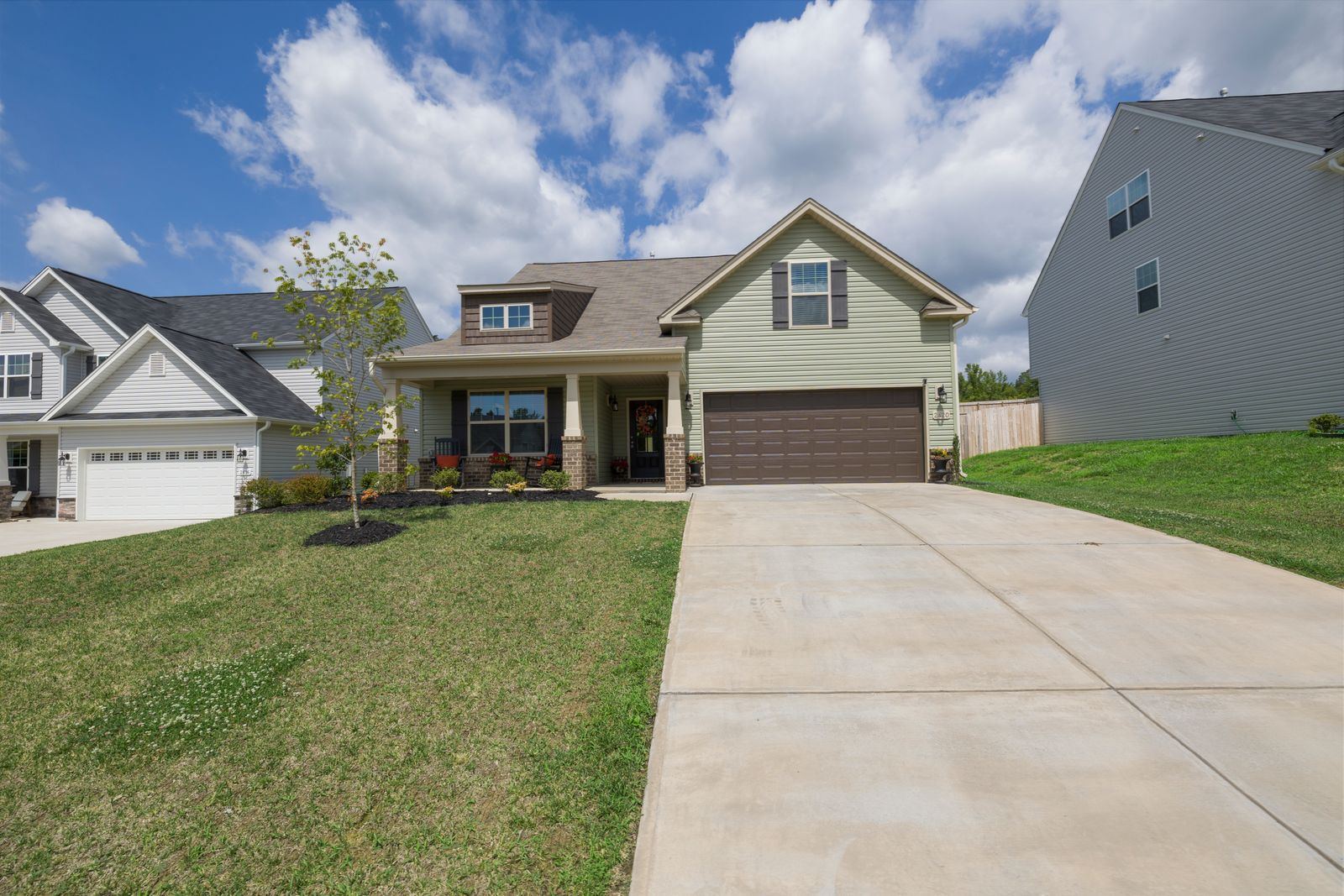
Warning Signs for HVAC Installation
Recognizing the warning signs early can save you time, money, and prevent significant damage to your property. Keep an eye out for the following clues that it's time to bring in an expert:
- Hot or cold rooms that no vent adjustment can fix
- Short, frequent cooling cycles that leave the house clammy
- Rattling, humming, or roaring loud enough to interrupt conversation
- Big repairs on both the heating and cooling side, one after another
- An addition or renovation the existing system was never sized for
- An older system charged with phased-out R-22
- Energy bills climbing every season while comfort declines
- The system in your home is more than twelve to fifteen years old
Early Action Saves Money
Left unchecked, even a small fault or temperature swing often signals a system working its way toward a breakdown. Call Battle Creek HVAC at (269) 201-8798 at the first sign of trouble.
Ready to Solve Your HVAC Installation Problem?
Call Battle Creek HVAC for fast, reliable service.
Call (269) 201-8798 TodayYour HVAC Installation Questions Answered
Why Hire a Professional for HVAC Installation?
Installation decides how the biggest machine in your Battle Creek home will behave for the next fifteen years, and the costly errors are hard to spot at handoff. An unverified vacuum leaves moisture to breed acid inside the refrigerant circuit. A charge set by guesswork gives away efficiency month after month. A mismatched coil and condenser can never deliver the rated SEER2. Restrictive ducts force the blower to fight excess static pressure for its entire life. Add federal refrigerant rules and the safety stakes of gas piping and venting, and this is clearly not a job for guesswork.
What sets a professional install apart is that every step gets verified before the next one begins. We size from a load calculation, install rated combinations, pressure-test and evacuate to a measured vacuum, weigh the charge and confirm it with superheat and subcooling, leak-test the gas piping, verify draft, and set blower speed to hold the rated temperature rise. Commissioning then records the numbers, giving every future service call a baseline to compare against. Those recorded measurements are the difference between a system that holds its rated efficiency for fifteen years and one that merely runs, and we do it on every installation.
Our HVAC Installation Process
We follow a proven process to ensure every repair and installation is completed to the highest standards. Here's exactly how the HVAC installation process unfolds:
Sizing & Duct Measurement
We calculate your home's actual heating and cooling loads and measure the duct system's static pressure, because equipment can only perform as well as the home and ducts allow.
System Design & Firm Quote
We propose matched equipment combinations at honest good-better-best tiers, explain staging and efficiency trade-offs plainly, and give a firm installed price up front.
Precision Installation
Installation day follows a verified checklist: tested line set, measured vacuum, weighed charge, leak-checked gas, venting to manufacturer spec, a trapped and protected drain, and duct corrections made on the spot.
Commissioning & Handoff
We prove the install with recorded numbers, from temperature split and rise to amp draws and charge, then configure the thermostat and walk you through the system before haul-away.
How to Prevent HVAC Installation Problems
A few simple habits now, like regular filter changes and seasonal tune-ups, can add years to your system's life. Put these technician-approved steps to work around your property:
- Keep the outdoor unit rinsed and clear so the condenser coil never runs starved
- Flush the drain line before summer to keep algae from clogging it
- Hold onto your commissioning readings; they make every future diagnosis faster and cheaper
- Replace filters on time from the first month so the coil and exchanger never go short on airflow
- Deal with minor rattles and comfort changes before they grow into repairs
- Schedule two tune-ups a year: cooling in spring, heating in fall
- Keep supply and return vents open to preserve the airflow balance set at commissioning
Comparing DIY and Professional HVAC Installation
Online tutorials may help in a pinch, yet lasting repairs and code-compliant installations usually depend on professional methods and trained technicians. Consider the following comparison:
| Factor | DIY Attempt | Professional Service |
|---|---|---|
| System Sizing | Rule-of-thumb tonnage guessing | Load calculated from the home itself |
| Equipment Matching | Whatever coil fits, efficiency forfeited | Rated coil and condenser pairings |
| Refrigerant Work | No vacuum, no scale, no gauges | Evacuated, weighed in, and verified |
| Ducts | New equipment on choked ducts | Ducts tested and chokepoints corrected |
| Combustion Safety | Draft assumed, leaks untested | Leak-tested, vented to spec, draft proven |
| Commissioning | No readings, no baseline | Split, rise, and amp draw recorded at startup |
Get HVAC Installation Help Today
Don't let a failing system get worse. Call Battle Creek HVAC now for prompt, professional service.
Get Help: (269) 201-8798Where We Provide HVAC Installation
Our technicians handle HVAC installation throughout Battle Creek and the surrounding communities, with the same upfront pricing everywhere we work.